
You know lyrics are good when they can be sung, understood, and believed — and when a listener can hold onto a line after one or two hearings. That is a practical standard, not a mystical one. A lyric does not have to sound like literature, and it does not have to impress another writer in a quiet room. It has to do its job in the song.
This page is a set of checks you can run on a draft, not a guide to writing a whole song from scratch. If you need the wider process, use 11 steps to writing a song. If you are asking whether lyrics are poetry, that is a different question, covered in Are Song Lyrics Poetry? (And Why the Difference Matters).
How do you know if a lyric is good?
Print it, or write it on a clean lyric sheet, and then run it through these tests in order. Do not skip the sung tests. The page can lie in either direction: some dull lines work in the air, and some pretty lines collapse when they have to be sung in time.
The one-listen test. Play a rough recording for yourself the next day, or for one trusted person, without handing them the page. Can they tell you what the song is about, and can they remember a line — ideally the title? If they cannot, the lyric may be too vague, too crowded, or missing a landing. A work tape is enough for this. You do not need a finished vocal.
The specific-image test. Circle every concrete noun and every action. If a verse is mostly feelings named as feelings — love, pain, broken, empty — the lyric is probably leaning on labels. Replace at least two labels with something you can see, do, or point at. “I feel lost” is a diagnosis. “I missed the turn on purpose” is a lyric.
The speech test. Say the lines out loud, not in a singer voice, as if you were talking to one person. Places that embarrass you in speech are often the corny or false places. Places you cannot say in one breath are often too long. Keep the lines that you would actually say, then make them sing.
The title test. Does the title earn its repeats? Is it the sentence the song cannot live without, or only a phrase that rhymed? A good lyric usually has a place the song keeps coming back to, and that place should be able to bear the weight. If the title is weak, even a clever verse will feel like it is circling an empty hook.
The second-verse test. Does verse two add a fact, a turn, or a consequence, or does it restate verse one in new rhymes? Good lyrics move. If you can cut verse two and the story is unchanged, it is not done.
The sung-stress test. Sing the line and notice which words get the strong notes and the strong beats. If “the” or “and” keeps getting the money note, and the word you care about is squeezed, the lyric is not as good as it looks. This is also a fit problem; How to Fit Lyrics to a Beat Without Losing the Words covers that repair in more detail.
The honesty test. Not “is this autobiographical?” Honesty here means: would this speaker say this, in this situation, or is the line performing a songwriter personality? False toughness, false wisdom, and borrowed phrases fail this test. A small, accurate line will beat a large, borrowed one.
If a draft passes most of these, it is good enough to keep working on, and maybe good enough to finish. “Good” at this stage does not mean “finished forever.” It means the words are doing their job well enough that the remaining work is craft, not a search for a song that is not there.
Why lyrics sound corny
Corniness is usually a gap between the size of the language and the size of the feeling, or between a line and a living speaker.
Common sources:
Abstract slogans. “Follow your heart,” “this is my truth,” “forever and always.” They may be sincerely meant. They still sound like they already belong on a thousand other objects. Corniness is often familiarity plus vagueness.
A feeling named instead of shown. “My heart is breaking” tells the audience what to feel and gives them nothing to stand on. A discarded coffee mug, a missed exit, a voicemail you play to the end — those can carry the same feeling without announcing it.
Borrowed “song words.” Souls, flames, shattered glass, and rain as automatic sadness. You can write about rain. You cannot let rain do all of the work because you have heard it work in other songs.
A rhyme that forced a false line. You needed a rhyme for “night,” and you landed on a thought you do not believe. The ear hears the fake, even if the rhyme is perfect. Change the rhyme, not your conviction.
Overstatement. A small scene dressed in huge language will sound corny. A huge feeling dressed in small language often will not. If the song is about a quiet almost-goodbye, do not write as if the continent is ending unless you mean it, and can prove it with details.
Trying to sound older, tougher, or more poetic than you are. A young writer putting on a weathered voice, or a plainspoken writer putting on decoration, will usually sound like costume. Write closer to your actual mouth.
The fix is not to become cynical. Sincerity is not the enemy; unearned language is. Cut the slogan, put a real object in the line, and say the sentence out loud. If you wince, believe the wince.
A related trap is trying to make the lyric look like a poem so it will seem serious. Songs can be careful without that costume. The page on lyrics and poetry is useful if that is the habit you are in.
Are the lyrics too long?
They might be, if the singer is rushing, if a listener cannot remember the hook, or if every line is explaining the previous line.
Length is not a moral quality. Some songs need a long verse to set a scene. Some choruses need almost no words. The question is whether the section has more language than the music and the listener can hold.
Signs a lyric is too long:
- You cannot sing a line without gasping or clipping the last word.
- The chorus has no place to sit because the title is buried in a sentence.
- Verse two exists only because you had more explanations, not more story.
- On a lyric sheet, a section looks like a paragraph.
- After one listen, a friend remembers the feeling and no line.
Fixes that do not require rewriting the whole song:
- Underline the load-bearing words — title, key image, the verb — and cut the rest of that sentence first.
- Turn one long line into two short ones, or into a line and a hold.
- Give the chorus fewer words than the verse. Hooks often want room, not additional clauses. The 8 bar chorus is a good reminder of how little space a hook may have.
- Remove restatements. If line four says what line two already said, keep the better one.
If the lyric is long because the story is genuinely long, the form may need more bars, not more speed. Do not pack a long story into a short melody and then blame the vocal.
Short is not automatically good, either. A lyric that is all hook and no verse information can feel catchy and empty. Cut until the remaining lines have a job, then stop cutting.
What “meaningful” actually means as a test
Writers often ask whether their lyrics are meaningful, as if meaning were a substance you could add. In practice, meaning is what is left when a listener can connect a particular person, situation, or decision to the hook.
A lyric is meaningfully doing its job when:
- the song has a point of view — someone is speaking, from somewhere, about something particular,
- the details belong to that situation and would be odd in a different one,
- the chorus is the consequence or the claim, not a vague poster hung on top of the verses,
- and you could answer, in one spoken sentence, what the song is about without using the word “basically.”
A lyric can be meaningful and still be light. A sharp, funny, or small song can mean something. A solemn song can mean almost nothing if it never leaves the land of general statements.
You do not have to confess a private fact to be meaningful. You do have to choose. A song that could be about anyone, anywhere, doing anything, is usually about no one.
If you cannot yet say what the song is about, the lyric is not ready for a quality verdict. Finish the thought first. Then run the checks.
A pass you can do in one sitting
Give yourself thirty minutes with a printed lyric and a rough recording.
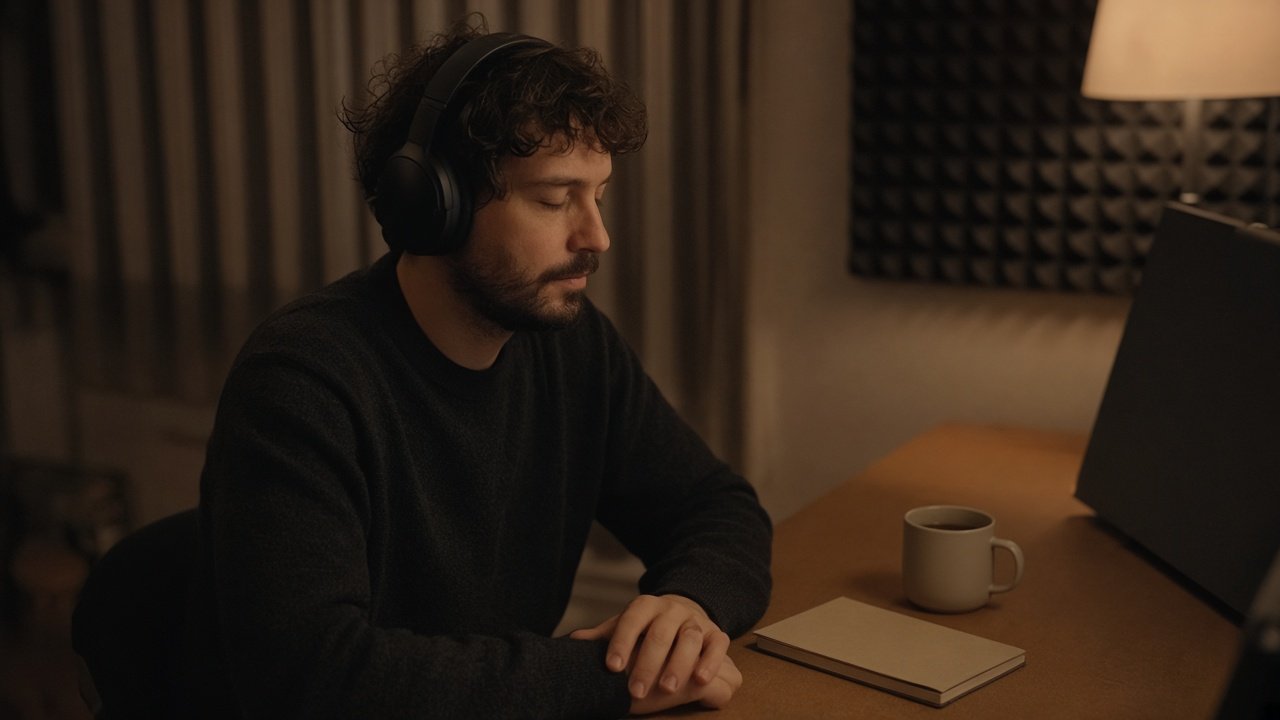
Minutes 1–5: listen once, eyes closed. Write down what you remember. If the title is not on that list, the hook is not landing.
Minutes 5–15: on the page, mark labels, slogans, and restatements. Replace or cut two of them. Do not rewrite the whole song.
Minutes 15–25: speak the lyric, then sing it. Fix only the places that trip, rush, or put stress on the wrong word.
Minutes 25–30: write one sentence at the top of the page: “This song is about ___.” If you cannot, the verses still need a decision, not more decoration.
Then leave it until tomorrow. Lyrics often sound better or worse after a night, and tomorrow’s ear is part of the test. If the work still feels unusually hard, the difficulty may not be this lyric — Why Is Songwriting So Hard? (And What Actually Helps) is the wider companion.
What these checks will not tell you
They will not tell you whether the song will be loved, streamed, or remembered a decade from now. They will not tell you whether you are “a good writer” as a person. They will not settle a taste argument about style — some precise, dry lyrics are excellent, and some loose, impressionistic lyrics are excellent too.
They will tell you whether this draft is clear, singable, specific, and honest enough to keep. That is the only question you can usefully answer today. The rest is later, and much of it is not in your control.
Trust a few finished, tested drafts more than a feeling in the chair on the night you wrote the lines. The chair is too close. The checks give you a little distance without handing the song to a crowd before it is ready.
FAQ
How do you know if your lyrics are good?
Use practical tests: a listener can catch the point and a line after one or two hearings, the images are specific, the lines can be spoken and sung, the title can bear repeating, and the second verse moves the story. Taste still matters, but these checks will catch most unfinished drafts.
Why do my lyrics sound corny?
Usually because the language is more general or more dramatic than the situation, or because a rhyme forced a line you do not believe. Replace slogans and feeling-labels with exact details, and say the lines out loud. Keep what you would actually say.
Are my lyrics too long?
They may be if the singer is rushing, the hook has no room, or a listener cannot remember a line. Cut restatements and extra clauses first. Give a long story more bars rather than more speed.
How can I tell if my lyrics are meaningful?
See whether a particular speaker, situation, and claim are present, and whether the details belong to that situation alone. Meaning is a clear point of view, not a more serious tone.
Should I judge lyrics on the page or in the recording?
Both, and the recording wins when they disagree. The page is good for spotting vagueness and repetition. The song is the sung version, in time, and that is the version a listener will meet.